Iris Perry · 1 November 2026
Marine Conservation Records Spark Unexpected Links Between School Programs and Economic Shifts in Coastal Regions
Marine conservation records compiled from long-term monitoring efforts have begun to intersect with educational initiatives in ways that influence workforce development along coastlines, and researchers tracking these patterns note measurable changes in local economies by late 2026. Data collected through standardized surveys of species populations, habitat conditions, and water quality metrics now feed directly into curriculum modules used in secondary schools and community colleges near several major bays and estuaries.
Record Compilation and Data Sharing Practices
Government agencies and research institutions maintain extensive databases that document trends in fish stocks, seabird colonies, and benthic communities, and these repositories release annual updates that educators access through public portals. In November 2026, several regional reports highlighted recovery signals in certain shellfish beds and kelp forests, prompting curriculum designers to incorporate real-time datasets into biology and environmental science courses. Schools in areas such as the Pacific Northwest and parts of the Gulf Coast have integrated these figures into project-based assignments where students analyze population graphs and map habitat changes.
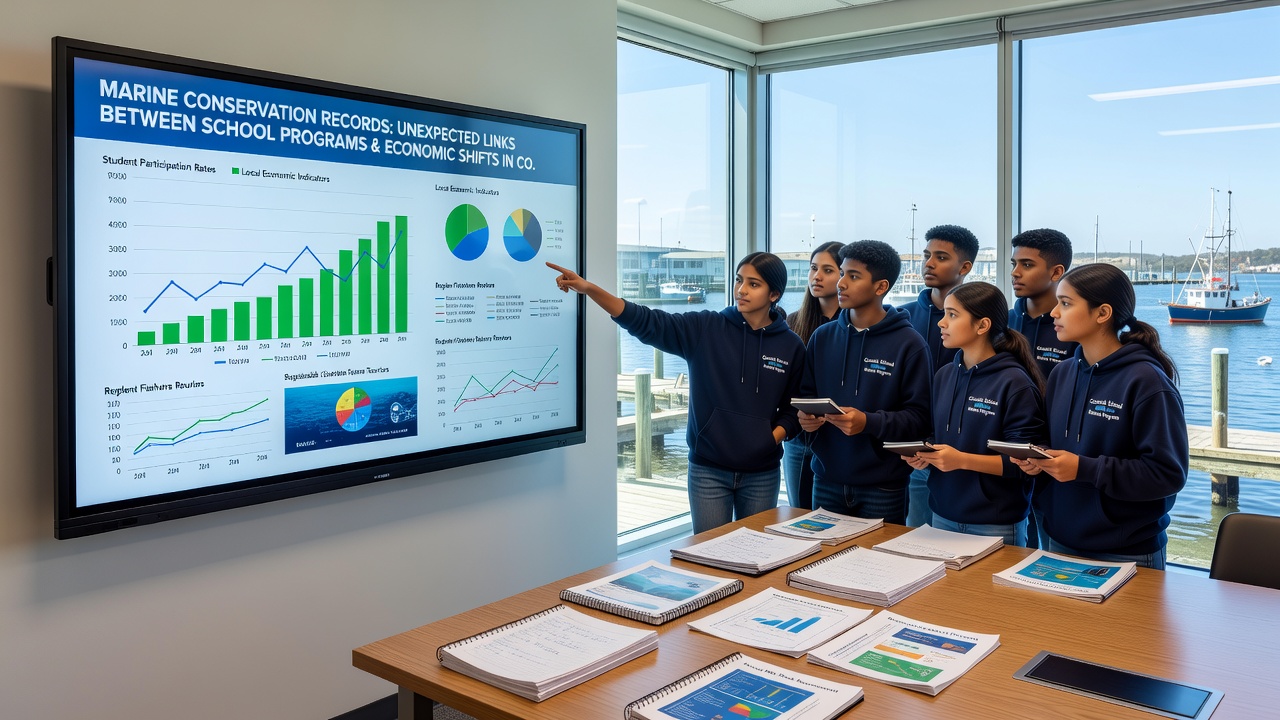
Participation numbers show that more than 120 coastal districts adopted versions of these modules during the 2025-2026 academic year, according to figures released by the National Oceanic and Atmospheric Administration. Students calculate growth rates, compare historical baselines, and present findings to local advisory boards, and this hands-on approach replaces earlier textbook-only approaches with direct engagement with primary sources.
School Program Expansion adn Curriculum Shifts
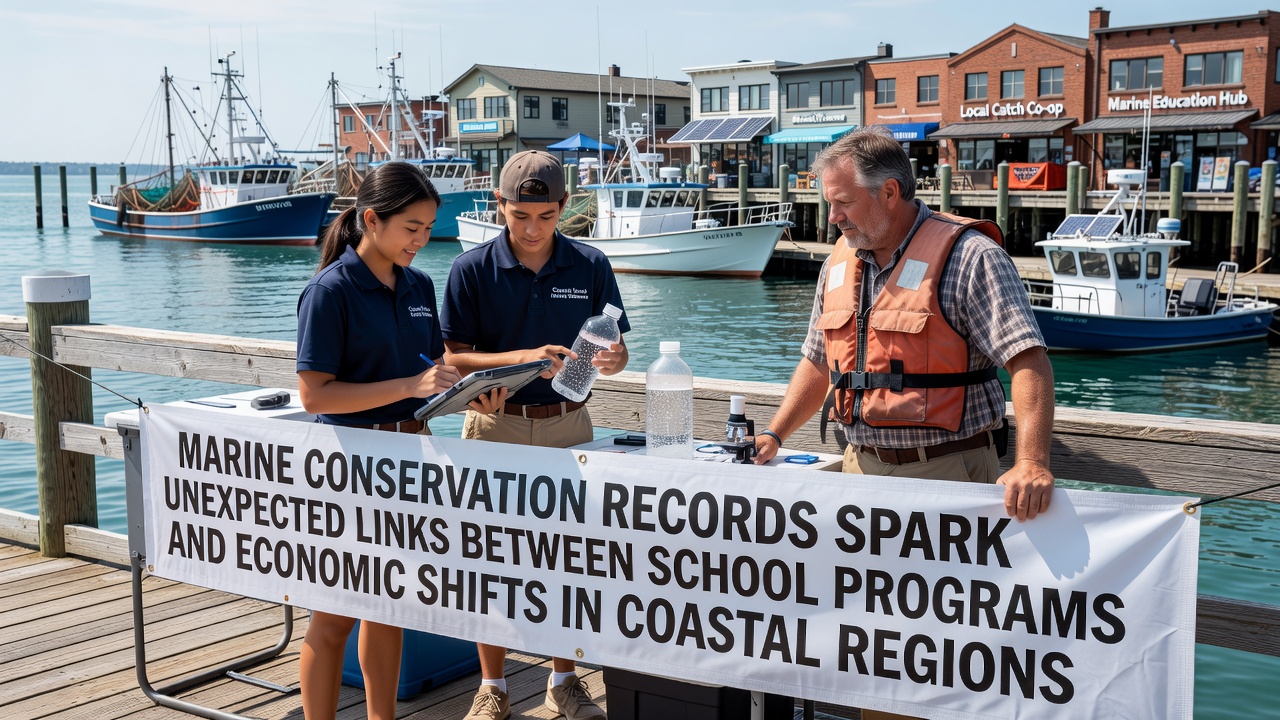
Educators report that enrollment in marine-focused electives rose steadily after the records became available for classroom use, and community colleges near port cities added certificate programs in coastal resource management that draw on the same datasets. One study conducted by a university research team in British Columbia tracked a 34 percent increase in students declaring marine science majors between 2023 and 2026, with many citing exposure to conservation records during high school as the deciding factor. These programs emphasize quantitative skills such as statistical modeling of population trends and geographic information system mapping, skills that align with entry-level positions at research vessels, hatcheries, and consulting firms.
Partnerships between schools and nearby marine laboratories allow students to contribute to ongoing surveys during field days, and participants often receive letters of recommendation that strengthen applications for paid internships. The Australian Institute of Marine Science has documented similar patterns in Queensland, where vocational tracks now include record interpretation modules that prepare graduates for roles in reef monitoring and restoration crews. Such connections turn abstract conservation statistics into tangible career pathways, and program coordinators note that graduates frequently remain in their home regions rather than relocating for employment.
Economic Adjustments in Coastal Communities
Employment data compiled by regional labor offices indicate that marine-related job postings in selected counties increased by 19 percent over the same three-year period, with growth concentrated in eco-tourism operations, environmental compliance offices, and small-scale aquaculture ventures. Towns that once relied primarily on commercial fishing have diversified into guided educational tours that use the same conservation records to explain ecosystem changes to visitors, and revenue reports from chambers of commerce show corresponding rises in seasonal bookings. A 2026 analysis from Fisheries and Oceans Canada links higher student completion rates in marine programs to a measurable uptick in local service-sector positions that support research vessels and laboratory facilities.
Property values near active education and monitoring sites have also shown modest gains, according to county assessment records, because new businesses catering to student groups and visiting scientists establish themselves along waterfront corridors. Supply chains for scientific equipment and sampling gear create additional indirect employment, while reduced seasonal unemployment rates appear in statistics released by state workforce agencies. These shifts occur alongside traditional industries rather than replacing them, and analysts attribute the pattern to the steady pipeline of trained local workers who already understand regional conservation priorities.
Broader Patterns and Ongoing Monitoring
Cross-regional comparisons reveal that districts with earlier access to centralized conservation records experienced faster program growth than those adopting the materials later, and longitudinal studies now track whether these educational investments sustain economic resilience during periods of fluctuating fish prices or tourism demand. International organizations such as the Intergovernmental Oceanographic Commission have begun cataloging best practices from multiple countries to guide future integrations, and preliminary findings suggest that standardized data formats accelerate curriculum adoption across borders. Observers note that continued updates to the records will determine whether the observed connections between school programs and regional economies persist or evolve in coming years.
Conclusion
Marine conservation records have moved from specialized archives into active educational tools, and the resulting workforce pipelines correlate with diversified employment opportunities in multiple coastal zones. Continued collection and dissemination of these datasets will shape both classroom content and labor market outcomes through at least the remainder of the decade, according to projections issued by participating research agencies.