Greta Jung · 20 September 2026
Orcana Library Collects Resident Narratives on Highway Bypass Proposals and Port Expansion Issues
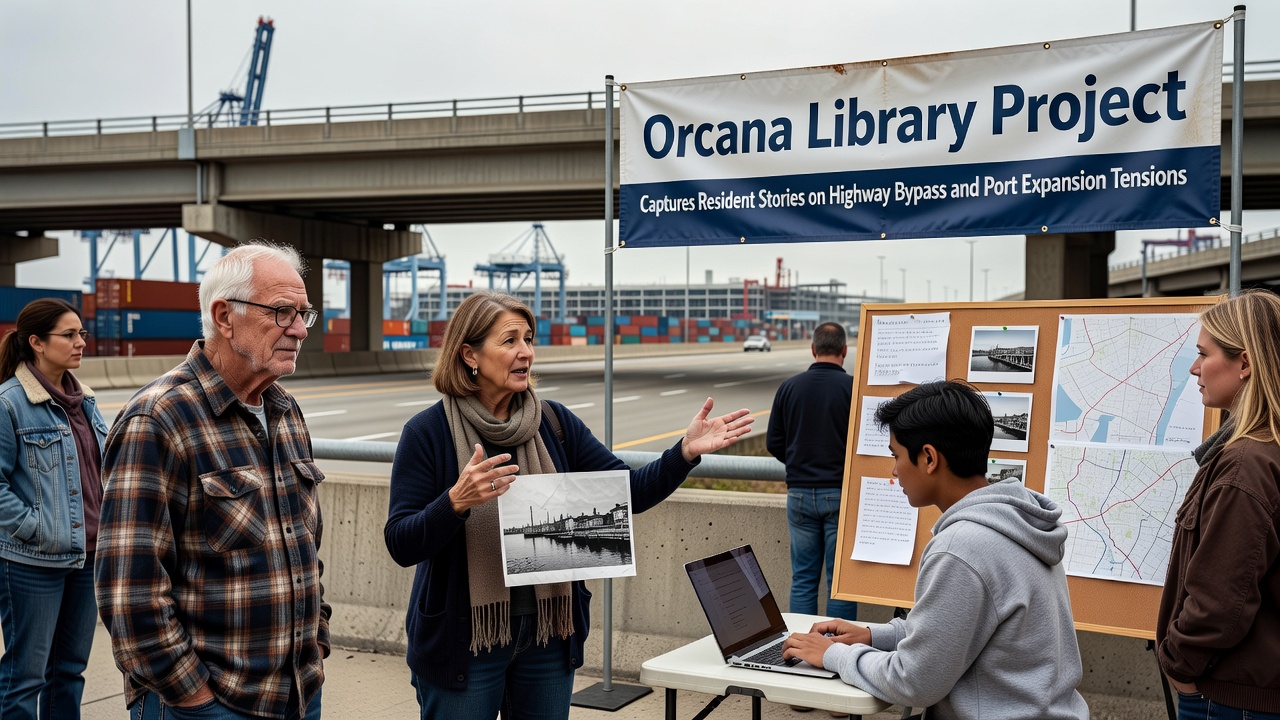
The Orcana Library Project has assembled a growing archive of first-person accounts from people living near planned highway bypass routes and port expansion zones, with work accelerating through 2025 and into the following year. Organizers began the effort in January 2025 to preserve oral histories and written submissions that describe daily life amid ongoing discussions about these infrastructure changes, and the collection now includes more than 180 recorded interviews plus hundreds of written statements submitted through community workshops.
Project Origins and Scope
Library staff partnered with local historical societies and university researchers to design interview protocols that focus on lived experiences rather than policy positions, which allowed participants to describe changes they have already noticed in traffic patterns, waterfront access, and neighborhood noise levels. The initiative operates from a dedicated reading room where volunteers scan documents and digitize audio files each week, while digital versions become available through the library's online catalog for public review.
By September 2026 the project plans to open a permanent exhibit that will display selected excerpts alongside maps of the proposed bypass corridor and port terminal modifications, and this timeline aligns with scheduled public consultation periods for both developments. Researchers have noted that submissions often mention specific locations such as the old ferry landing and the rail-adjacent residential blocks where residents report altered routines due to construction surveys already underway.
Content of the Collected Stories
Many accounts detail how families have adjusted commuting routes in anticipation of the bypass, while others describe concerns about increased vessel traffic at the port and its effects on fishing grounds that have supported local livelihoods for generations. One recurring theme involves the loss of informal gathering spots along the waterfront that residents say have served as community landmarks for decades, and these details appear across multiple submissions collected during spring 2025 workshops.
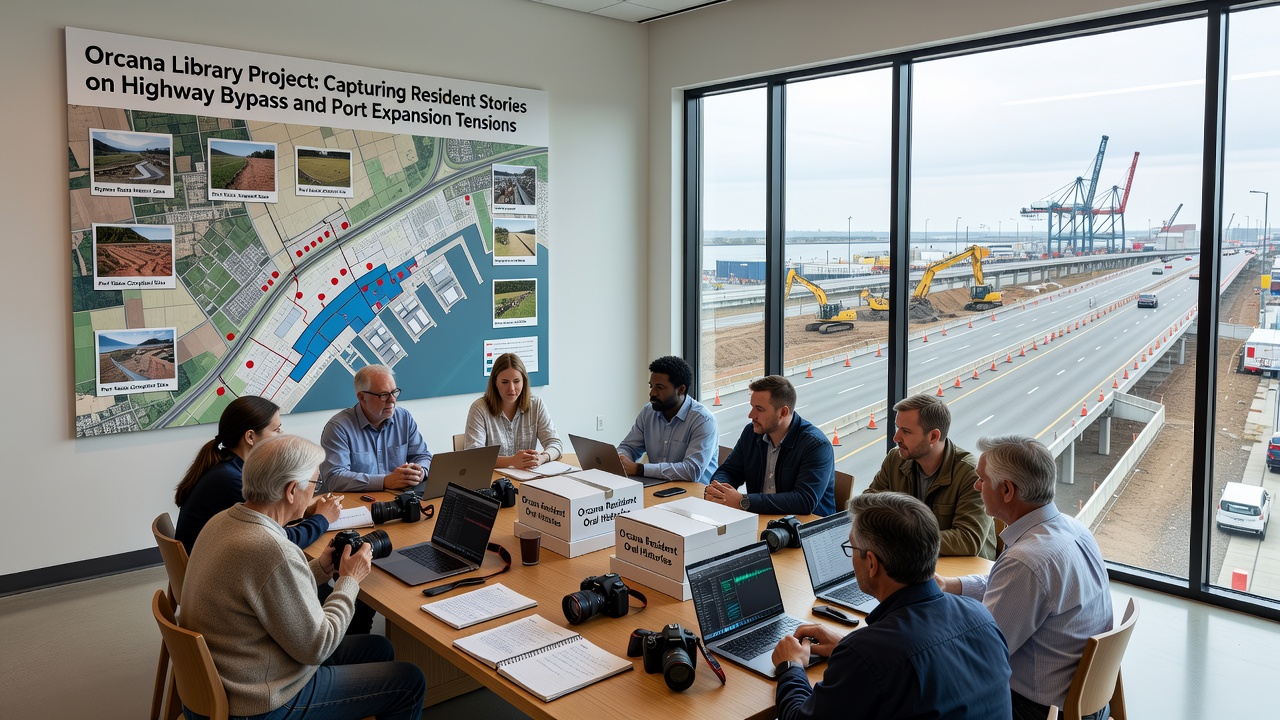
Take one researcher who noticed that submissions from older residents frequently reference childhood memories of the original port construction in the 1970s, and those memories are now being cross-referenced with municipal planning records to create annotated timelines. Younger contributors have supplied photographs of current street conditions that they expect will change once bypass construction begins, and these images form a visual supplement to the written and spoken narratives already catalogued.
Community Participation and Access
Workshops held monthly since March 2025 have drawn steady attendance, with sessions conducted in multiple languages to accommodate the region's diverse population, and facilitators record every session for later transcription and indexing. Participants receive copies of their own contributions along with access codes that allow them to review or update entries as events develop, which keeps the archive responsive to ongoing developments.
External researchers have begun requesting access to the collection for studies on infrastructure impacts, and the library has established a review process that protects contributor privacy while permitting aggregate data analysis. Figures from the library's annual report show that the project has received support through regional cultural grants as well as in-kind contributions from local businesses that provided recording equipment and meeting space.
Integration with Broader Records
The archive connects with existing municipal planning documents and environmental assessments already filed with provincial authorities, which lets users compare resident descriptions against official projections for traffic volume and port capacity. Staff members update the digital index regularly so that new submissions appear alongside related government reports, and this integration helps researchers trace how individual experiences align with or diverge from modeled outcomes.
One study released by a Canadian university in late 2025 examined similar oral history projects in other port cities and found that community archives often surface details about social networks and informal economies that standard planning documents overlook, and Orcana's effort follows several of the practices identified in that work. Library coordinators have also consulted guidelines from Infrastructure Canada on public engagement during large-scale transport projects, which informed the decision to keep all materials openly accessible.
Conclusion
The Orcana Library Project continues to expand its holdings as the highway bypass and port expansion plans move through their respective approval stages, and the resulting collection provides a documented record of resident perspectives that remains available for future reference. Staff expect the September 2026 exhibit to draw additional submissions while the digital archive grows through ongoing workshops and remote contributions, which ensures the narratives stay current with developments on the ground.