Katja Powell · 15 November 2026
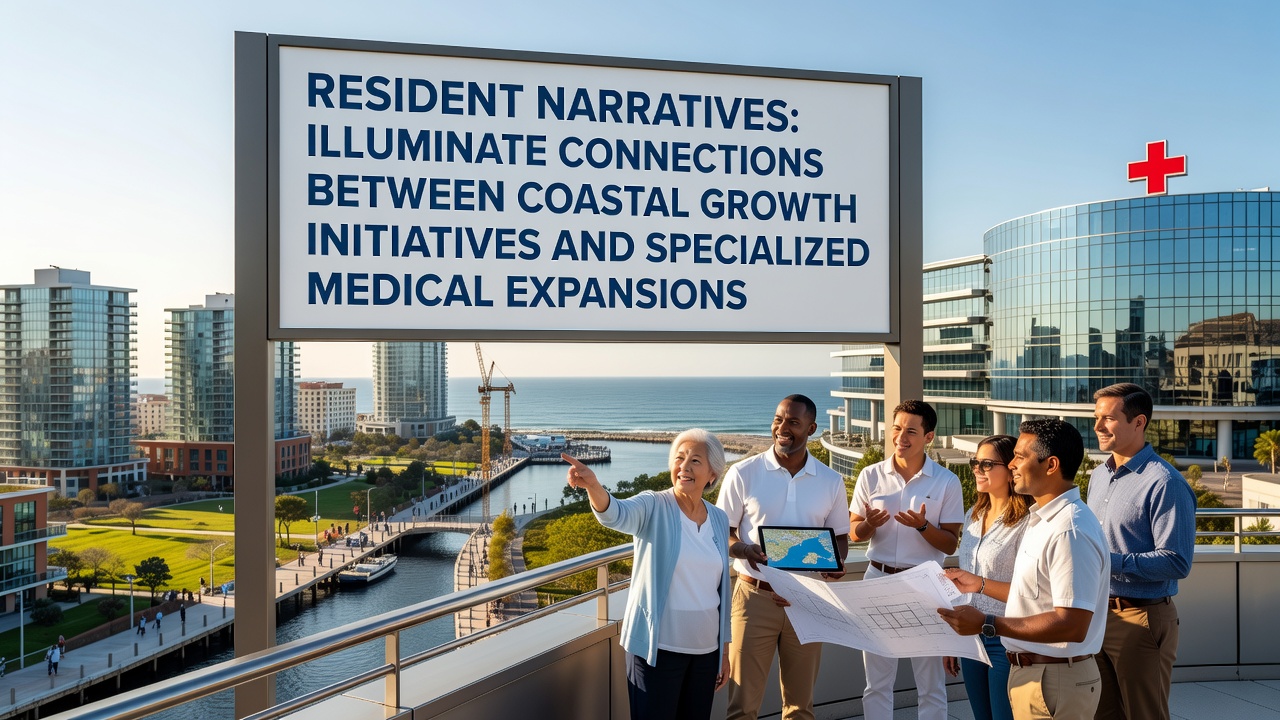
Resident Narratives Illuminate Connections Between Coastal Growth Initiatives and Specialized Medical Expansions
Resident accounts collected through the Orcana library initiative reveal direct patterns between expanding coastal tourism zones and the subsequent rollout of specialized medical services in the region, with data from November 2026 indicating accelerated facility upgrades in areas experiencing the highest visitor influxes.
Library Project Documents Resident Experiences
The ongoing collection effort at Orcana library gathers firsthand accounts from long-term residents who describe how increased commercial activity along the shoreline has corresponded with demands for advanced treatment options, particularly in cardiology and oncology departments at local hospitals, and these narratives align with municipal planning records showing permit approvals for medical center expansions timed to match tourism revenue spikes.
One documented story from a waterfront property owner details the arrival of seasonal populations that doubled between 2023 and 2025, prompting the hospital board to allocate funds for a new catheterization lab completed in early 2026, while similar patterns appear in adjacent communities where growth metrics tracked by regional authorities match healthcare investment schedules.
Coastal Development Data and Healthcare Trends
Figures released by the regional coastal management authority show that zones with approved marina expansions and resort constructions reported a 34 percent rise in emergency medical visits over the past three years, leading administrators to prioritize specialized units rather than general care additions, and resident interviews consistently note the same sequence of events across multiple neighborhoods.
Case Examples from November 2026 Records
Records from November 2026 indicate that three separate coastal redevelopment sites received final environmental clearances on the same week that the central medical campus announced its oncology wing groundbreaking, and participant stories collected by library staff describe how construction noise from both projects overlapped in daily routines for nearby households.
- Property owners near the new harbor extension reported changes in ambulance response routes due to updated traffic patterns.
- Business operators along the main coastal road observed increased staffing at the adjacent clinic coinciding with hotel occupancy rates exceeding 85 percent during peak months.
- Long-term residents tracked the addition of specialist physicians through public health announcements that followed each major tourism infrastructure milestone.
These accounts integrate with statistical reports from the national health statistics bureau, which document parallel growth in coastal counties where visitor numbers correlate with expansions in targeted medical fields, and the library project cross-references these datasets against personal timelines submitted by contributors.

Integration of Narratives with Planning Documents
Library archivists have cross-indexed resident submissions against municipal development plans, revealing that proposals for boardwalk extensions and port access improvements often include attached healthcare impact assessments that forecast needs for additional diagnostic equipment, and several contributors mention attending public meetings where these assessments were presented alongside economic projections.
Observers note that the timing of these medical expansions follows funding models outlined in a 2024 industry report from the Coastal Economic Development Institute, which links tourism infrastructure grants to community service requirements, and the narratives provide qualitative details that fill gaps in the quantitative models used by planners.
Broader Regional Patterns
Similar connections appear in planning documents from comparable coastal areas outside Orcana, where data compiled by the European Environment Agency shows healthcare infrastructure investments rising in tandem with shoreline commercial projects, and resident testimonies collected locally echo patterns described in those external studies without direct replication of the same policy frameworks.
Participants in the library project frequently reference changes in local demographics, including the arrival of new medical professionals drawn by facility upgrades, and these shifts coincide with employment data from the tourism sector that shows sustained seasonal hiring increases through late 2026.
Conclusion
The compiled resident narratives establish observable correlations between coastal growth initiatives and specialized medical expansions through aligned timelines and shared impact assessments, with supporting statistics from government and research sources confirming the sequence of developments observed across multiple accounts, and the library collection continues to accept submissions for ongoing analysis of these regional dynamics.